Elevate Your Company With Innovative Commercial Architecture Solutions
Innovative commercial architecture plays a vital role in shaping business success. Through the harmonious blending of functionality and aesthetics, it strengthens both productivity and brand identity. Sustainable design practices not only lower operational costs but also create healthier work environments. As businesses evolve, so do their spatial needs. Appreciating how architecture impacts these elements can open new avenues for expansion and teamwork. The observations presented ahead will delve deeper into these important topics.
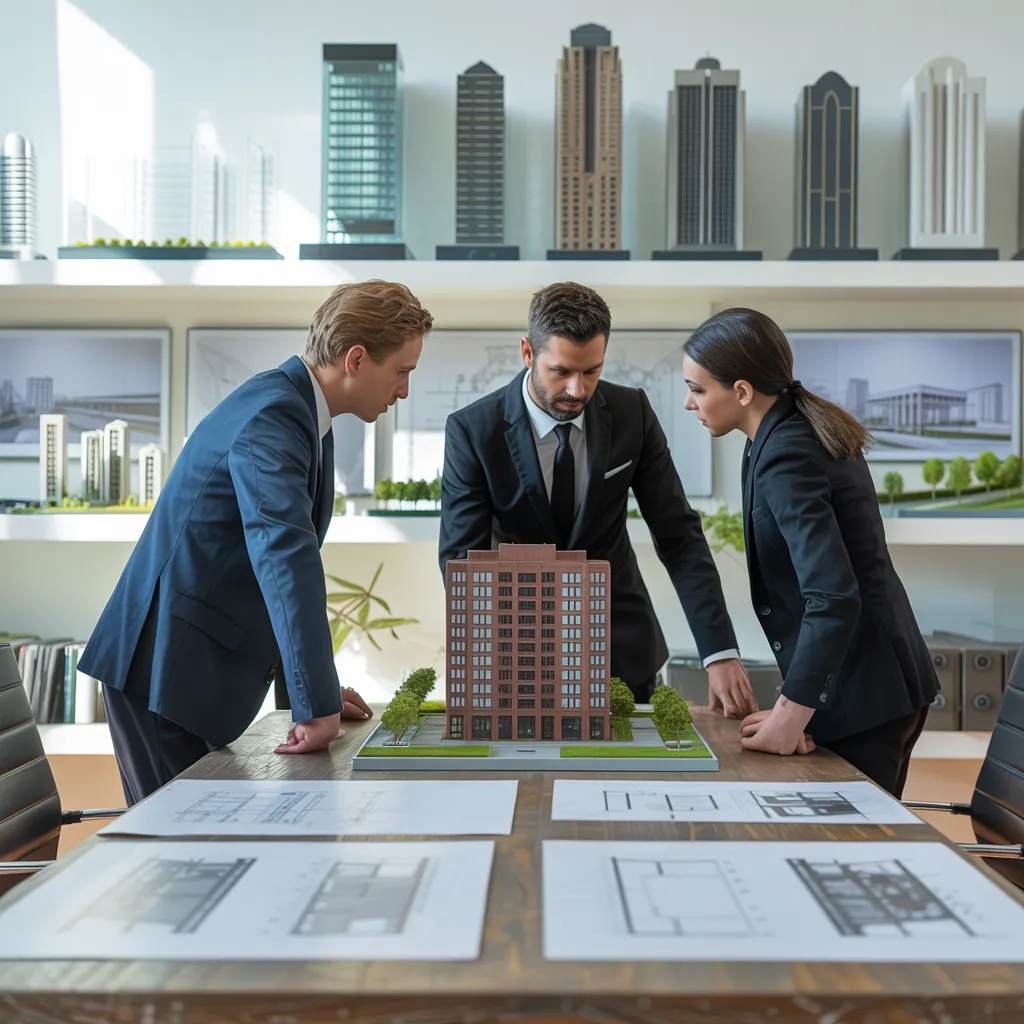
Why Innovative Commercial Architecture Matters for Your Business
Revolutionary commercial architecture transforms the way companies connect with their built spaces. This methodology focuses on not just design beauty but operational efficiency, fostering spaces that enhance efficiency and teamwork. By integrating green initiatives and modern innovations, organizations can cut operational overhead while resonating with environmentally conscious consumers.
Moreover, unique architectural designs build compelling corporate identities that bring in clients and elevate team morale. The layout of a work environment can profoundly impact operational flow and ingenuity, rendering forward-thinking architectural design critical for keeping a competitive advantage in the modern marketplace.
As organizations develop, the demand for flexible spaces grows increasingly important. Modern commercial architecture promotes adaptability in spatial planning, accommodating future growth and changes in operational needs. Essentially, it delivers a decisive benefit by aligning physical spaces with overall business objectives, ultimately driving success and fostering a strong connection between the business and its community.
Critical Features of High-Impact Commercial Architecture
Impactful commercial architecture is distinguished by several essential features that enhance both functionality and aesthetic appeal. Core components include efficient space planning that optimizes usability, eco-conscious design approaches that reduce environmental impact, and compelling aesthetics that draw in and captivate clients. Together, these features create a dynamic environment that supports business objectives and fosters a positive user experience.
Practical Space Planning
Efficient functional space planning elevates commercial architecture into a powerful strategic asset for organizations. By prioritizing efficient layouts, it optimizes workflows and enhances productivity. This method encompasses assessing the particular demands of a business and assigning space strategically, making certain that areas for teamwork, focus, and storage are deliberately crafted. Effective commercial architecture features versatile spaces that adjust to evolving demands, permitting businesses to develop without costly structural changes. Additionally, intuitive navigation and accessibility are key components, fostering a positive environment for employees and clients alike. Ultimately, effective space planning not only maximizes the use of square footage but also creates an engaging atmosphere that aligns with the brand's identity, contributing to overall business success and employee satisfaction.
Eco-Friendly Design Approaches
Embracing eco-conscious design principles is critical for modern commercial architecture, as it highlights environmental stewardship while enhancing the aesthetic and functional qualities of a space. These practices often encompass using eco-friendly materials, improving energy performance, and implementing sustainable energy systems. Furthermore, sustainable designs support water conservation and enhanced indoor air quality through innovative ventilation systems and vegetative roofing. Implementing these strategies not only reduces a building's carbon footprint but also decreases long-term operating expenses. Beyond that, sustainable architecture cultivates a healthier environment for occupants, contributing to greater output and overall wellness. As organizations understand the value of corporate social responsibility, implementing eco-friendly design approaches emerges as a vital component of high-impact commercial architecture, aligning economic goals with environmental stewardship.
Visually Appealing Aesthetics
A commitment to environmentally conscious design methods frequently results in a deeper understanding of visual attractiveness in professional architectural design. This relationship develops areas that not only meet practical needs but also connect with their immediate context. Components like sunlight, sustainable materials, and vegetation enrich a building's aesthetic quality, amplifying its visual significance. A visually attractive building attracts clientele and cultivates an uplifting atmosphere for workers. Structural characteristics including unique facades, innovative layouts, and harmonious color schemes can greatly elevate a business's visual identity. At its core, embedding aesthetic qualities within green building designs not only demonstrates a devotion to sustainable practices but also guarantees that the structure stands out in a challenging market environment, thereby reinforcing the organization's identity and core values.
Finding the Ideal Commercial Architecture Partner for Your Project
How can one identify the ideal commercial architecture professional for their project? This process begins with establishing the specific needs and goals of the project. A detailed review of prospective firms should include examining their project portfolios, focusing on relevant experience and design style. References and client feedback can provide insight into their professional reliability and teamwork capabilities.
Next, examining the company's knowledge of relevant regulations and sustainable practices is crucial. Skills in communication and project management also play a significant role; a collaborator should prove capable of clearly articulate ideas and provide regular updates on progress.
Financial compatibility is another key element, as openness in cost discussions can eliminate future misunderstandings. Conducting early discussions enables assessment of alignment and clarifies the firm's strategy for addressing challenges. Ultimately, selecting a commercial architecture partner involves a wide-ranging assessment of professional qualifications, interpersonal dynamics, and alignment with project aspirations.
Outstanding Design Case Studies in Commercial Architecture
One noteworthy example involves a retail business that utilized biophilic design strategies, incorporating natural lighting and plant life. This method elevated the customer experience and drove higher foot traffic, which translated into increased sales.
Moreover, a tech company's headquarters featured an open-concept layout that encouraged engagement between team members, substantially boosting overall productivity and employee satisfaction. These cases highlight how intentional design choices can elevate here businesses, strengthen workplace functionality, and establish engaging atmospheres that resonate with users, consequently propelling success and expansion in the business landscape.
How Sustainable Design Makes a Difference for Your Brand?
With numerous brands seeking to make their mark in a competitive landscape, integrating sustainable design can greatly enhance their identity and appeal. Businesses that place emphasis on green initiatives frequently appeal to environmentally aware customers, building lasting loyalty and deepening consumer trust. Eco-conscious design not only demonstrates a company's dedication to corporate responsibility but also establishes it as an innovative and visionary force within its sector.
Moreover, green architectural practices tends to produce financial benefits through reduced energy consumption and lower operating costs. This real-world advantage enhances the strengthened public perception, as the public increasingly supports organizations that demonstrate a genuine commitment to eco-conscious practices.
As rules governing environmental impact tighten considerably, brands adopting eco-friendly design approaches can remain compliant with compliance challenges. In the end, adopting sustainable architectural practices functions as a strategic investment, reinforcing brand values as well as attracting a wider demographic, consequently driving sustained growth and significance across an ever-shifting competitive environment.
How Thoughtful Architecture Maximizes Employee Productivity
A well-designed workspace has a major impact on boosting employee productivity. Strategic architecture takes into account factors such as daylighting, space organization, and sound management, which significantly impact workplace efficiency. Spaces that prioritize open layouts promote collaboration, while designated quiet areas allow for focused work, striking a balance between teamwork and individual tasks.
Including natural elements, such as indoor plants and views of the outdoors, can minimize stress while enhancing creative thinking, further boosting workplace productivity. Ergonomically designed furniture similarly supports staff comfort, minimizing exhaustion and encouraging extended periods of concentrated effort.
Moreover, adaptable workspaces designed for multiple functions promote creativity and engagement. Through the application and understanding of these design principles, businesses can create environments that not only enhance productivity but also support employee well-being. At its core, dedicating resources to purposeful architectural planning is a forward-thinking strategy that links workforce satisfaction with company-wide success.
Emerging Trends in Commercial Architecture Worth Watching
What transformative changes are shaping the future of commercial architecture? One significant trend is the increasing focus on sustainability. Architects are incorporating sustainable materials and energy-conscious designs to minimize carbon footprints and support environmental stewardship. Additionally, biophilic design is gaining traction, emphasizing natural elements to enhance well-being and productivity within workspaces.
One notable development is the emergence of adaptable and versatile environments. As companies grow and change, the need for multipurpose areas that can be quickly reorganized is proving essential. This adaptability facilitates multiple working approaches and cooperative endeavors.
Additionally, technological breakthroughs, such as smart building technologies and virtual reality, are revolutionizing the processes of design and construction. These breakthroughs enable architects to design more efficient, responsive, and user-centric spaces.
Commonly Asked Questions
What Are the Fees Connected to Innovative Commercial Architecture Services?
The costs associated with cutting-edge commercial architectural services generally encompass design fees, materials, labor, permits, and project management. These expenses can vary based on project complexity, location, and specific client requirements, affecting overall budgetary planning.
How Long Does a Typical Commercial Architecture Project Take to Complete?
A typical commercial architectural project typically takes from six months up to two years to complete, based on considerations such as project size, complexity, client specifications, and regulatory approvals, which can greatly influence the timeline.
What Role Does Technology Play in Modern Commercial Architecture?
Technology significantly improves contemporary commercial building design by simplifying and optimizing design workflows, improving collaboration through Building Information Modeling (BIM), supporting detailed and exact simulations, and facilitating sustainable practices. Such developments consistently result in greater efficiency, creativity, and affordability in architectural solutions.
Is Commercial Architecture Able to Adapt to Evolving Business Needs Over Time?
Indeed, business-oriented architecture can adapt to shifting organizational demands throughout its lifespan. Through versatile architectural designs, scalable building components, and technology integration, structures can be adjusted to address changing operational needs, guaranteeing sustained operational efficiency and practicality in a constantly evolving professional setting.
What Are the Benefits of Involving Employees in the Design Process?
Including employees in the design process promotes collaboration, increases engagement, and stimulates innovation. Their insights can produce practical solutions, cultivating a degree of ownership and elevating workplace productivity within the organizational setting.
Comments on “Expert Commercial Architects in Marietta for Retail Spaces”